


Centrifugal Pump
Your Professional Centrifugal Pump Manufacturers
Shanghai Bobeng Pump and Valve Manufacturing Co., Ltd. is a professional manufacturer of centrifugal pumps, submersible sewage pumps, and related industrial equipment. The factory covers 12,000 square meters and operates with standardized workshops, a precision testing center, and an intelligent warehousing system.
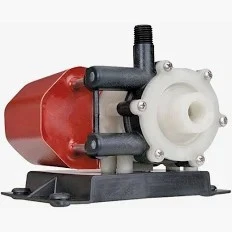


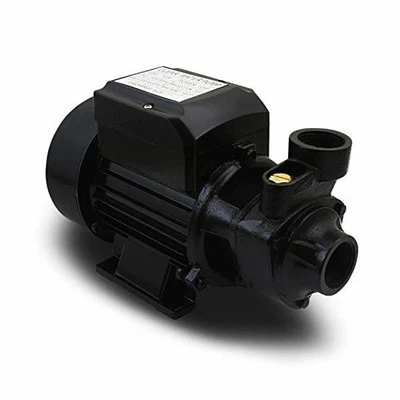

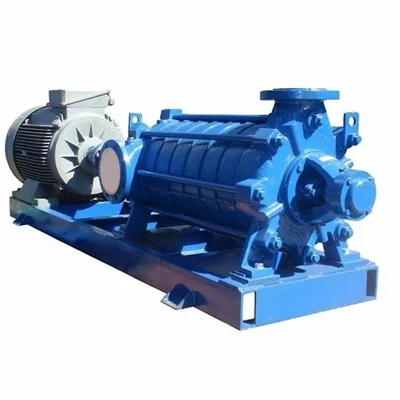
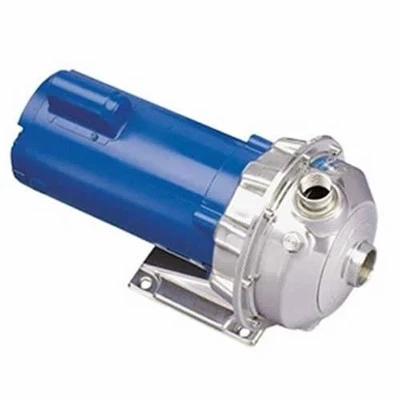


Why Choose Us
Production Equipment
The company uses full casting, forging, machining, assembly, and welding equipment, supported by advanced testing tools. This setup helps keep stable accuracy in production and ensures reliable product quality.
Sales Market
The company sells to over 60 countries and keeps steady growth in major markets. Its products support key projects worldwide and earn trust through stable quality and practical solutions.
Professional Team
We have a professional team that is familiar with product performance, can understand customer needs in a timely manner, and can fully demonstrate the advantages of our products. We also have dedicated after-sales service personnel to ensure a 24-hour response to user requests and to provide practical solutions.
Our Certificate
It has obtained three major system certifications: ISO 9001 Quality Management System, ISO 14001 Environmental Management System, and ISO 45001 Occupational Health and Safety Management System - ensuring product quality, green production, and employee rights and interests.
Advantages of Centrifugal Pumps
High-Efficiency
Centrifugal pumps are designed with impellers that create a centrifugal force, which imparts energy to the fluid. This hydraulic design allows for efficient fluid transfer with minimal energy losses. Due to their high efficiency, centrifugal pumps require less power consumption compared to other types of pumps. This results in significant energy savings, reducing operational costs and environmental impact.
Wide Range of Applications
Centrifugal pumps find applications in numerous industries, including water supply and treatment, irrigation, chemical processing, HVAC systems, power generation, and more. Their versatility makes them suitable for various fluid transfer tasks.
Simple and Compact Design
It feature a simple design consisting of an impeller, a casing, and inlet/outlet connections. This simplicity makes them easier to manufacture, install, and maintain. The compact size of centrifugal pumps allows for easy installation in confined spaces. They require less floor area, making them suitable for applications where space is limited, such as onboard ships or in compact industrial facilities.
Ability to Handle Different Pressures
Centrifugal pumps can handle both low and high-pressure operations. By adjusting impeller size, rotational speed, and design features, centrifugal pumps can be optimized to meet specific pressure requirements, offering flexibility in different applications.
Low Maintenance Requirements
Centrifugal pumps are known for their robust construction and reliability. They are designed to handle demanding operating conditions, including continuous operation and handling a wide range of fluids. Due to their sturdy design and reliable operation, centrifugal pumps require minimal maintenance. This translates into reduced downtime, increased productivity, and cost savings for industries relying on these pumps.
Main Applications of Centrifugal Pumps
Food and Beverage Industry
Used for pumping raw materials and processed liquids such as water, vegetable oils, palm oil, animal fats, alcohol, beer, juice, coffee, tea, wine, and other consumables. In these centrifugal pump applications, equipment must often comply with hygienic standards (e.g., EHEDG, 3-A).


Pharmaceutical Industry
Applied for the transfer of oils, raw materials, ethyl alcohol, solvents, purified water, and other chemically pure or sterile liquids. Pumps are typically made from certified materials and must comply with top hygienic standards for the pharmaceutical industry.
Chemical Industry
Suitable for handling acids, alkalis, organic solvents, industrial oils, chemical reagents, liquid fertilizers, and industrial wastewater. Here, material compatibility and corrosion resistance are critical due to the aggressive nature of many fluids.


Galvanic Industry (Electroplating)
Used for circulating acids, alkaline cleaning agents, and electrolytic solutions, often requiring non-metallic or corrosion-resistant materials.
Petrochemical Industry
Centrifugal pumps are used for fuels, lubricants, refined oils, and other hydrocarbon-based fluids, often in hazardous or explosive atmospheres, necessitating ATEX-certified designs.


Water Treatment Applications
Applied for water circulation in filtration and sedimentation processes, where pumps must reliably transport fluids with varying levels of purity and suspended solids.
Parts of a Centrifugal Pump
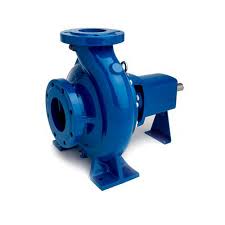
Impeller: It is a centrally mounted rotating disc with curved blades or vanes. Impellers can be classified based on their design, whether open, semi-open, or closed. The choice of impeller design affects the pump's efficiency and performance.
Casing: It is also known as the volute. The outer covering encloses the impeller and directs the fluid flow. Casing design influences the pump's efficiency. It has variations in the design which include single volute, double volute, and diffuser casings.
Suction and discharge ports: The suction port is where the fluid enters the pump, and the discharge port is where it exits. These ports are strategically positioned to facilitate the flow of fluid through the pump.
Shaft: The shaft connects the impeller to the motor to transmit rotational energy. It must be durable and properly aligned to prevent issues such as vibration and misalignment.
Seals and bearings: Mechanical seals prevent leakage of fluid along the shaft, maintaining the integrity of the pump. They are crucial for ensuring efficient operation. Bearings support the shaft and reduce friction, contributing to the longevity and reliability of the pump.
Specification
|
Model |
Size (inlet&outlet) |
Range of Flow Rate |
Range of Head |
Max. Suction lift |
Range of power |
Range of speed |
Max. solids |
Weight |
L*W*H |
|
Inch |
M3/h |
M |
m |
HP |
Rpm |
Mm |
Kgs |
M |
|
|
JT-2 |
2 |
8-46 |
4-36 |
7.6 |
1-10 |
1150-2900 |
44.45 |
100 |
0.15 |
|
JT-3 |
3 |
2-105 |
3-35 |
7.6 |
1-20 |
650-2150 |
63.5 |
210 |
0.30 |
|
JT-4 |
4 |
15-150 |
2-35 |
7.6 |
1-30 |
650-1950 |
76.2 |
315 |
0.43 |
|
JT-6 |
6 |
20-330 |
2-34 |
7.6 |
2-40 |
650-1550 |
76.2 |
420 |
0.57 |
|
JT-8 |
8 |
4-600 |
4-34 |
7 |
7.5-75 |
650-1350 |
76.2 |
750 |
1.05 |
|
JT-10 |
10 |
50-760 |
3-40 |
6.7 |
10-100 |
650-1450 |
76.2 |
800 |
1.26 |
|
JT-12 |
12 |
100-1275 |
8-42 |
4.9 |
20-125 |
650-1250 |
76.2 |
1080 |
2.0 |
|
JU-3 |
3 |
8-85 |
5-75 |
7.6 |
1.5-25 |
850-2150 |
20.63 |
220 |
0.3 |
|
JU-4 |
4 |
15-145 |
12-60 |
5.2 |
3-40 |
850-2150 |
28.57 |
350 |
0.43 |
|
JU-6 |
6 |
35-310 |
5-58 |
4.5 |
5-75 |
850-1950 |
31.57 |
450 |
0.57 |
Lead Time
|
Quantity (pieces) |
1 - 1 |
2 - 10 |
11 - 50 |
> 50 |
|
Lead time (days) |
7 |
10 |
16 |
To be negotiated |
Packaging & Shipping


FAQ